 English
 Français
 Deutsch
-
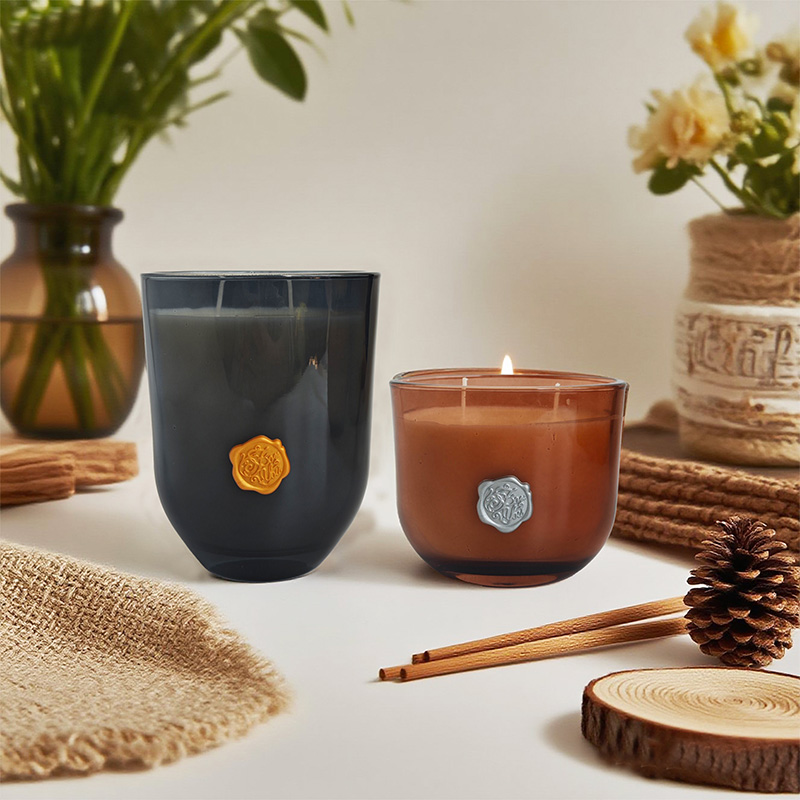 Bougie parfumée à la cire de soja avec joint en verre conique
-
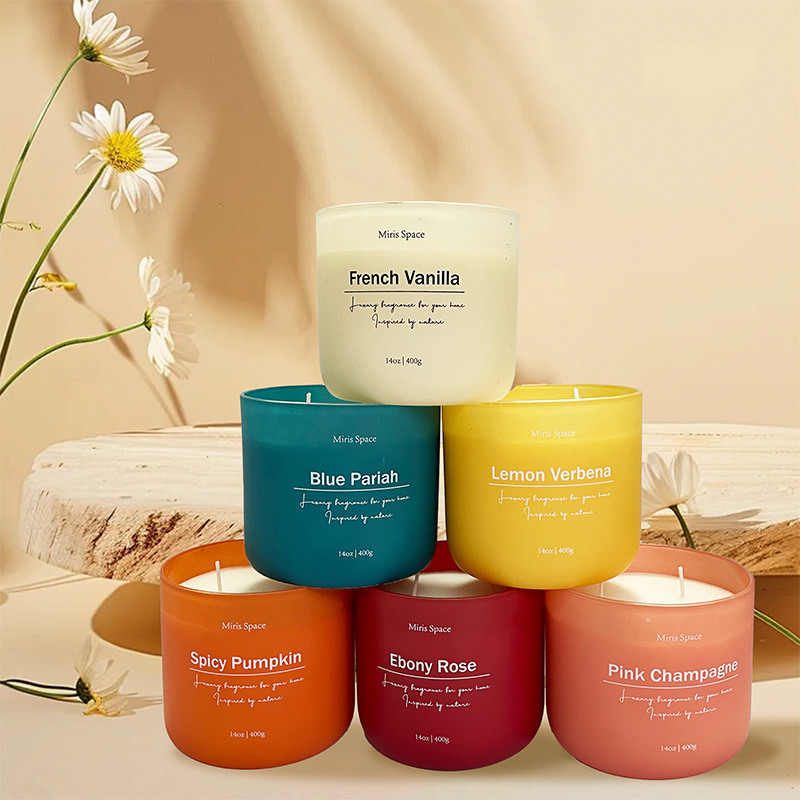 Bougie parfumée personnalisée en verre imprimé coloré
-
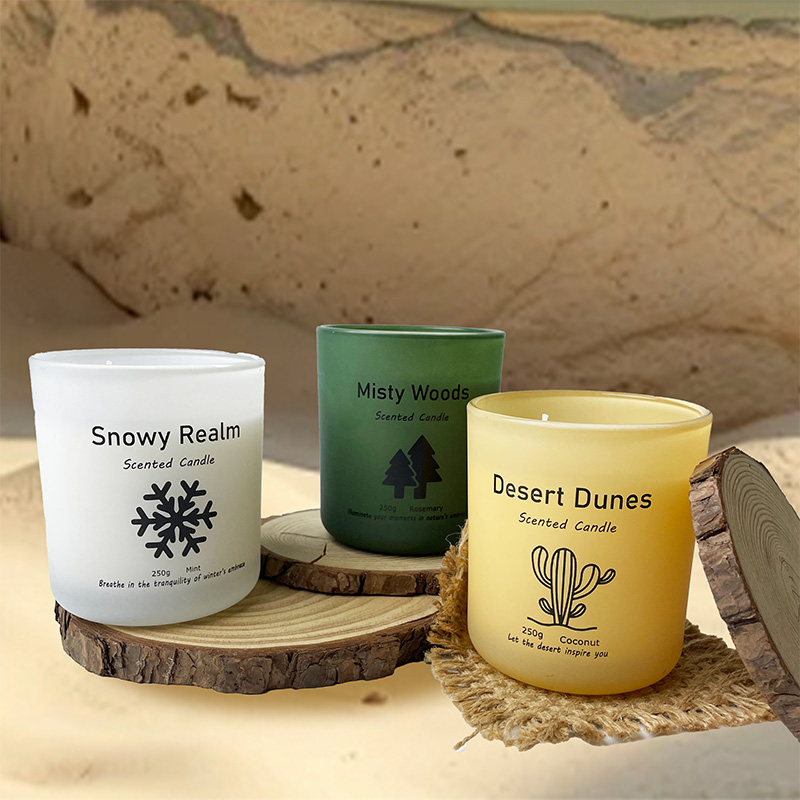 Bougie parfumée au parfum boisé de qualité supérieure simple en cire de soja naturelle pure
-
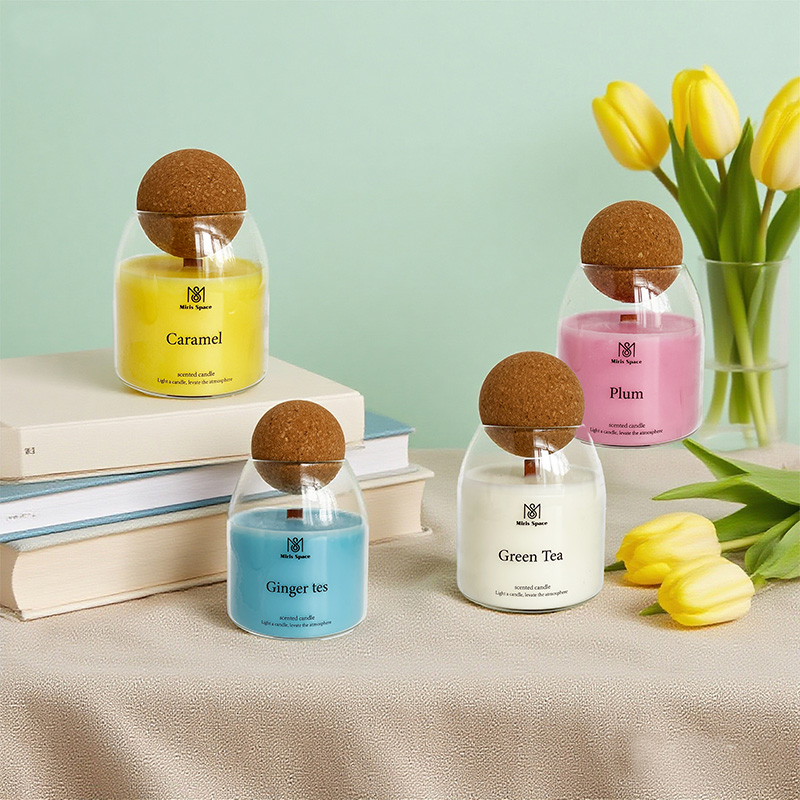 Bougie parfumée ronde en liège simple et fraîche avec logo privé personnalisé
-
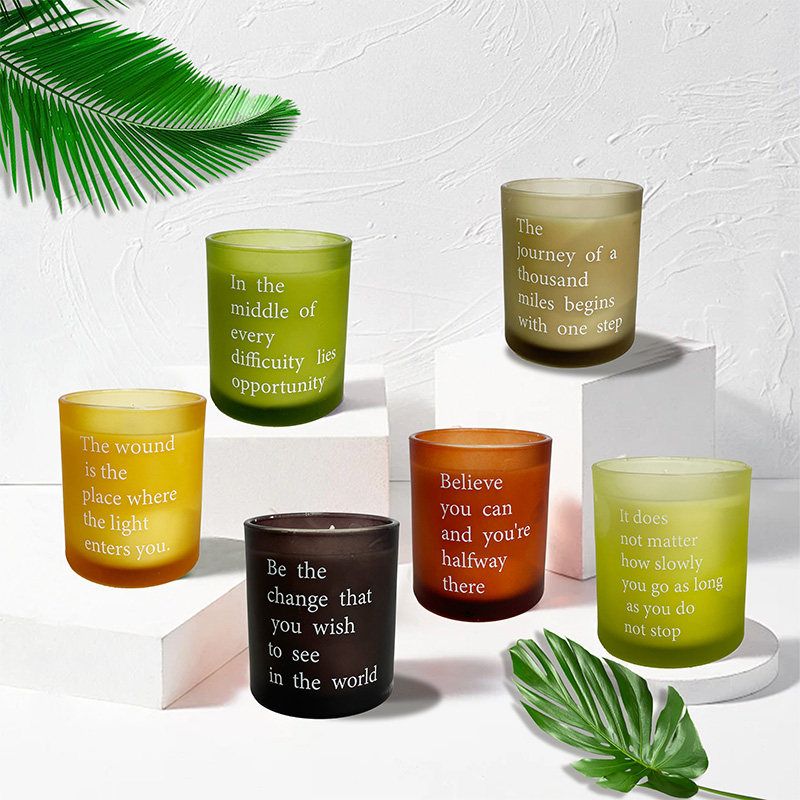 Bougie parfumée givrée colorée à imprimé anglais, cire de soja naturelle personnalisable
-
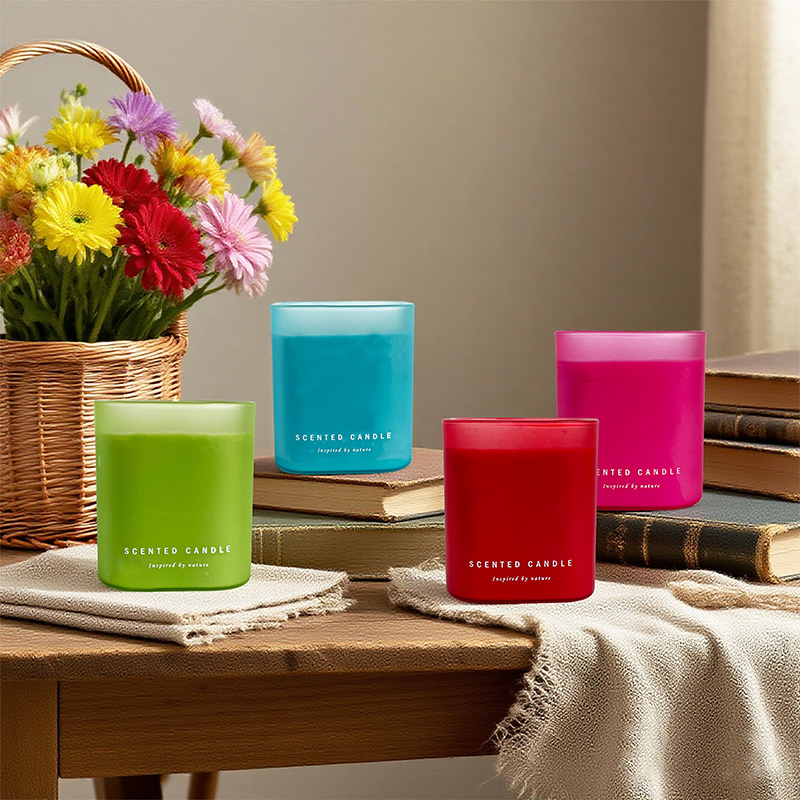 Bougie parfumée à la cire de couleur carrée en gros, cire de soja, logo personnalisé privé
-
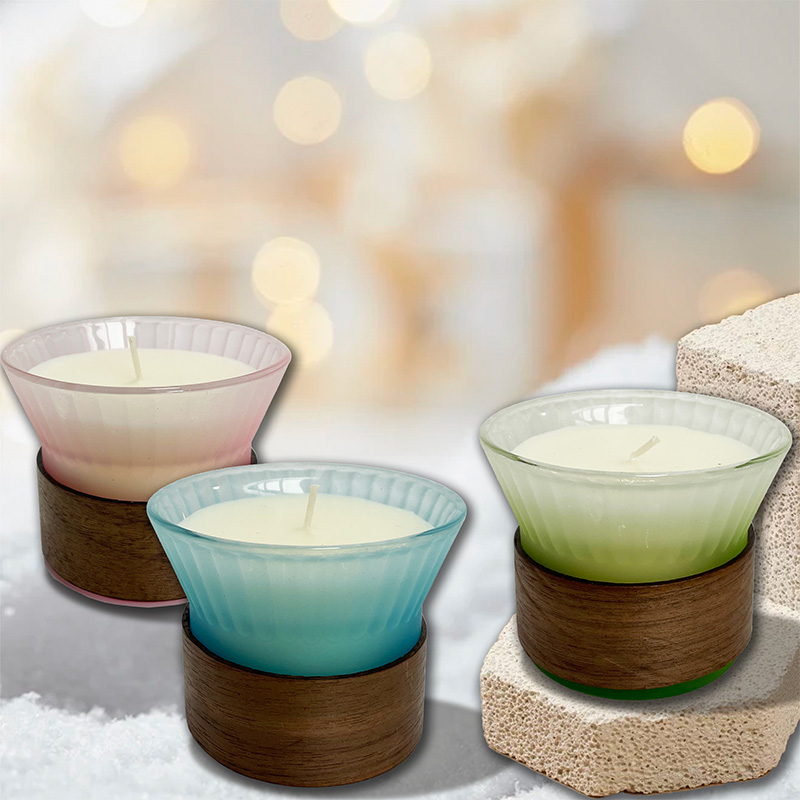 Bougie parfumée de niche en cire de soja naturelle pour usage domestique, cadeau parfumé longue durée
-
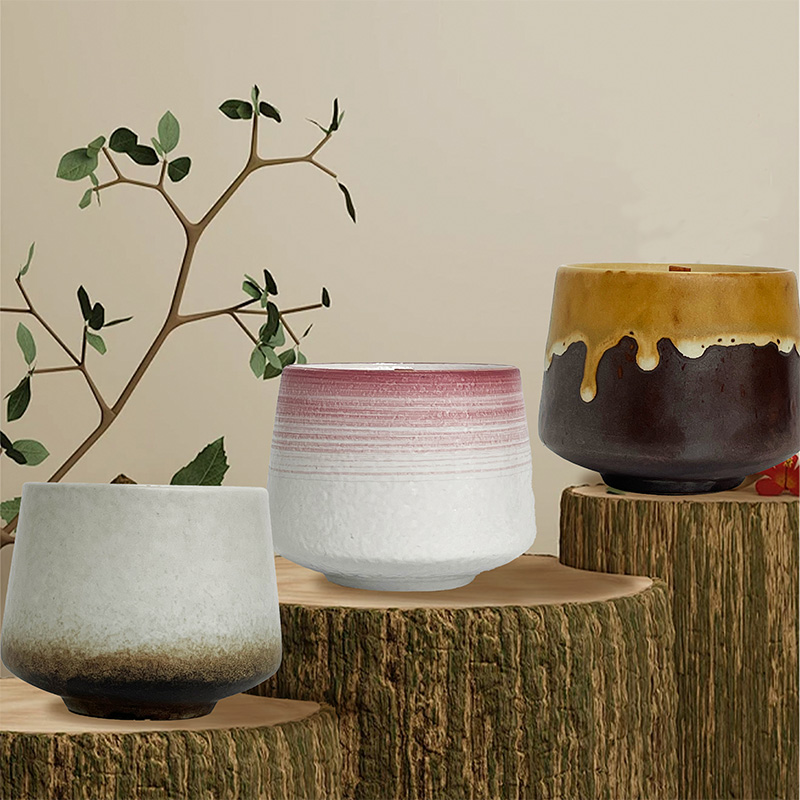 Bougie parfumée artistique romantique de niche avec cire de soja naturelle pure
-
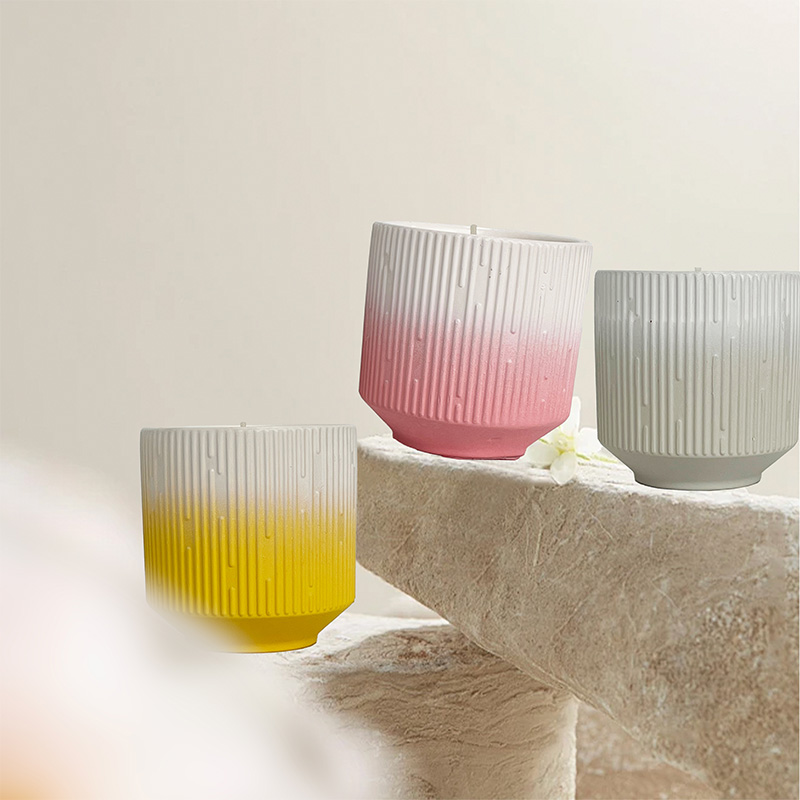 Bougie parfumée à dégradé romantique et ambiance naturelle avec parfum longue durée, cire de soja
-
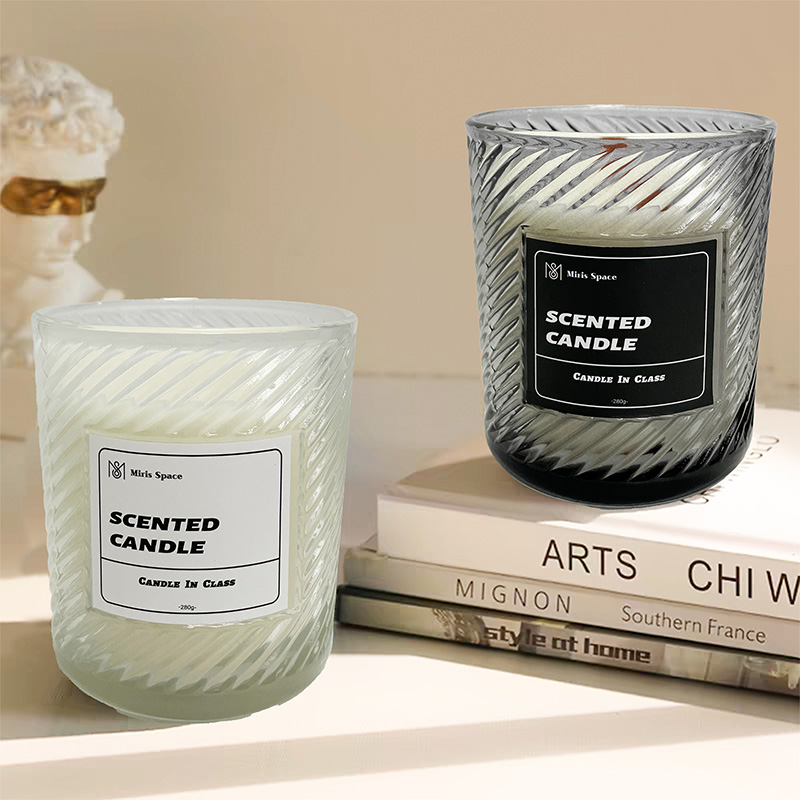 Bougie parfumée minimaliste en verre sergé noir et blanc avec cire de soja naturelle
-
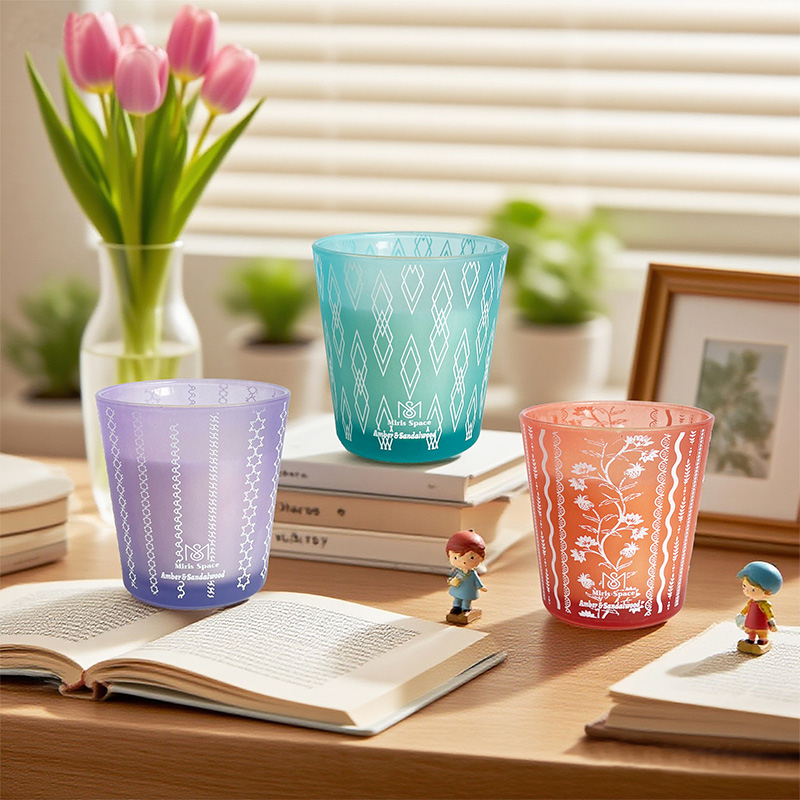 Bougie cadeau de niche romantique imprimée colorée avec parfum longue durée, cire de soja
-
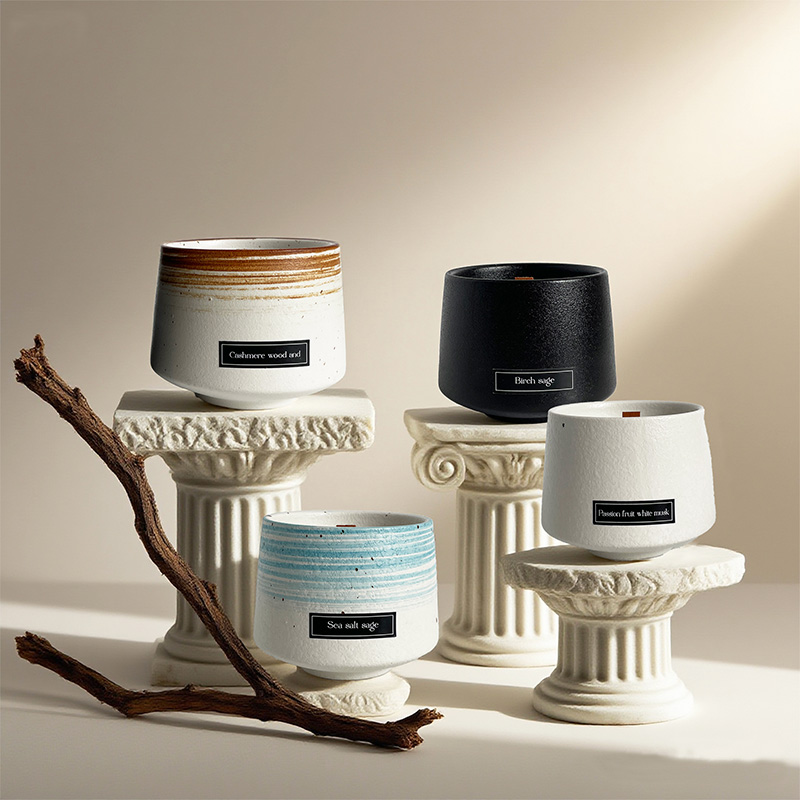 Bougie parfumée en céramique dégradée de qualité supérieure exquise avec parfum longue durée, cire de soja
-
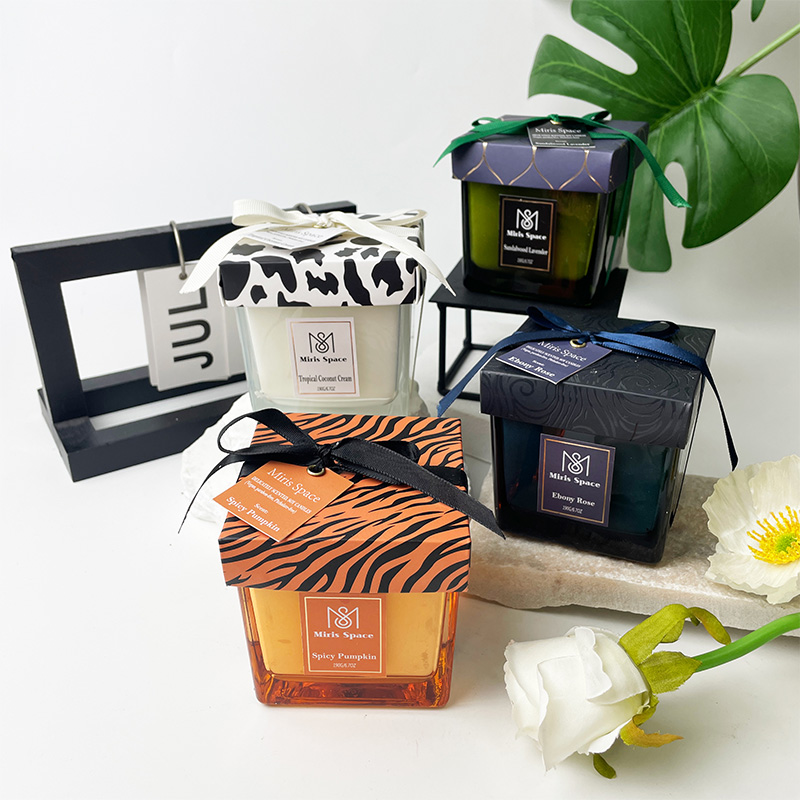 Bougie parfumée de qualité supérieure en forme de cadeau avec cire de soja naturelle
-
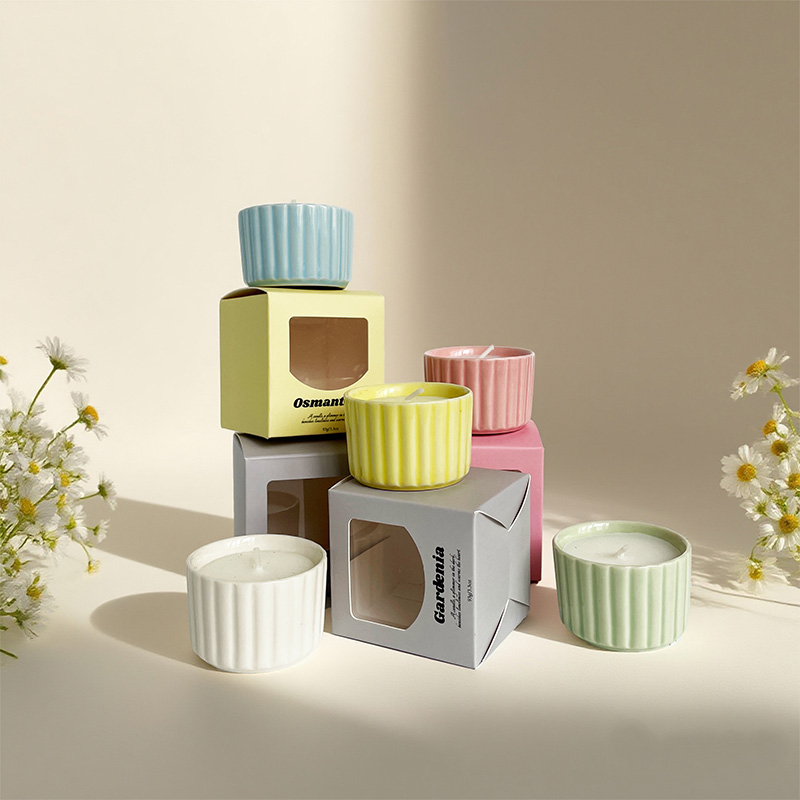 Petite bougie parfumée minimaliste colorée portable avec cire de soja naturelle pure et mèche en coton
-
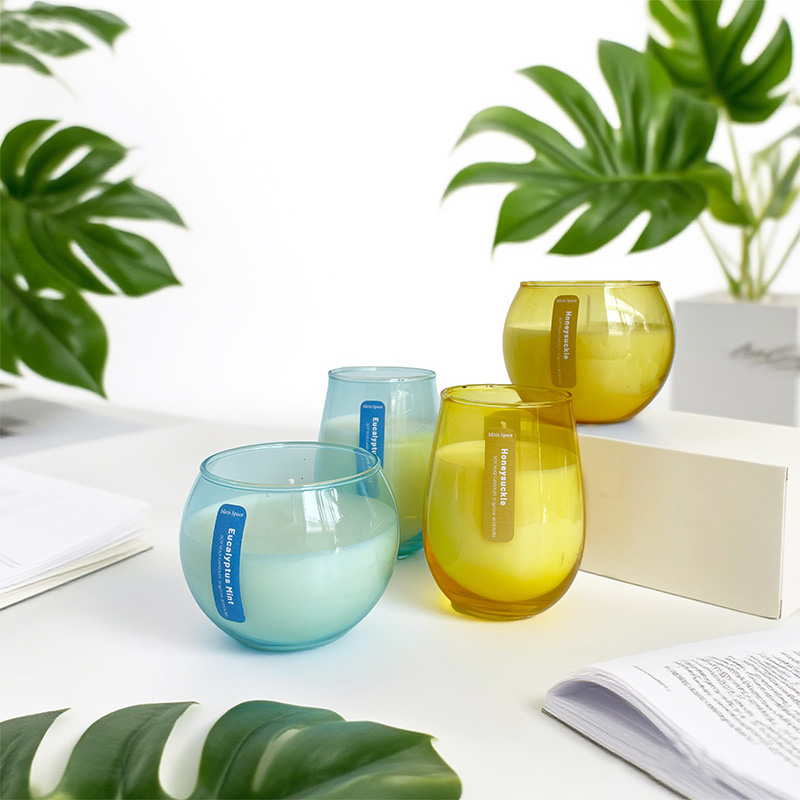 Bougie parfumée ronde minimaliste avec cire de soja naturelle pure LOGO personnalisé privé
-
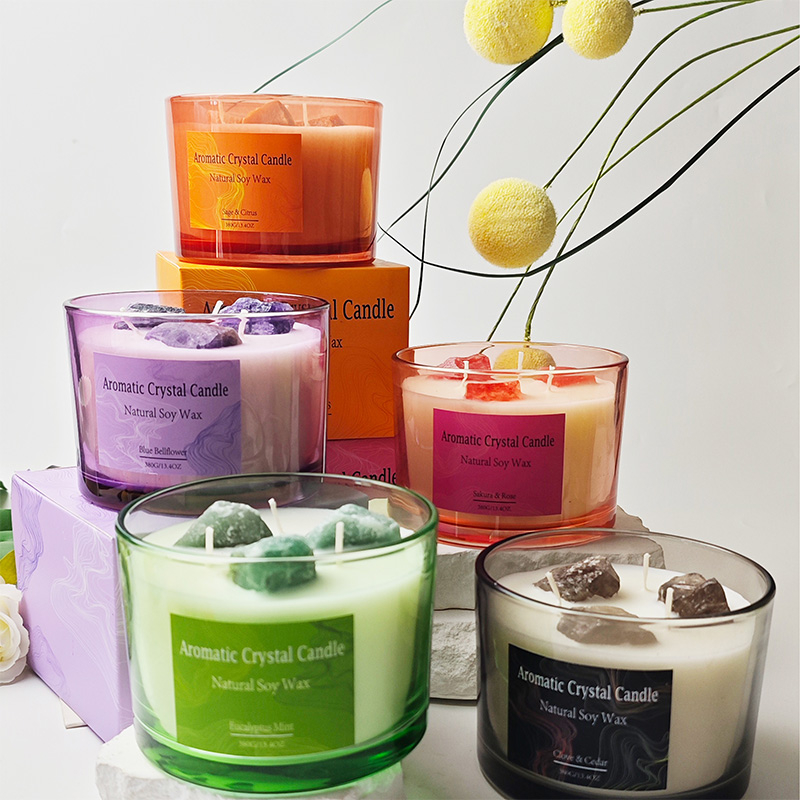 Bougie parfumée cicatrisante aux cristaux colorés pour usage domestique, parfum longue durée avec cire de soja naturelle
-
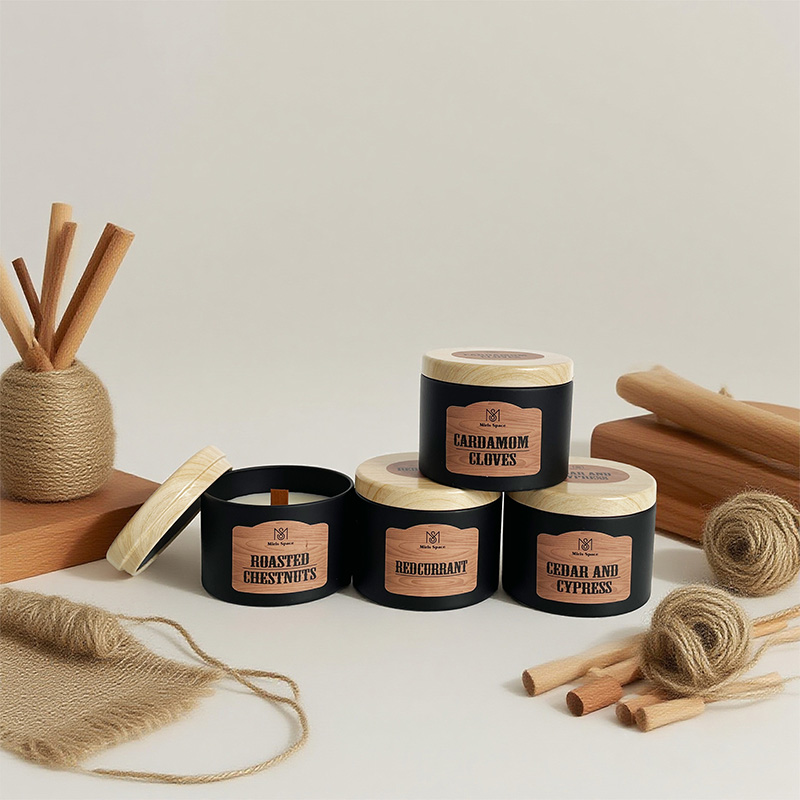 Couvercle en bois noir Étiquette de grain de bois Bougie parfumée Logo personnalisé privé
-
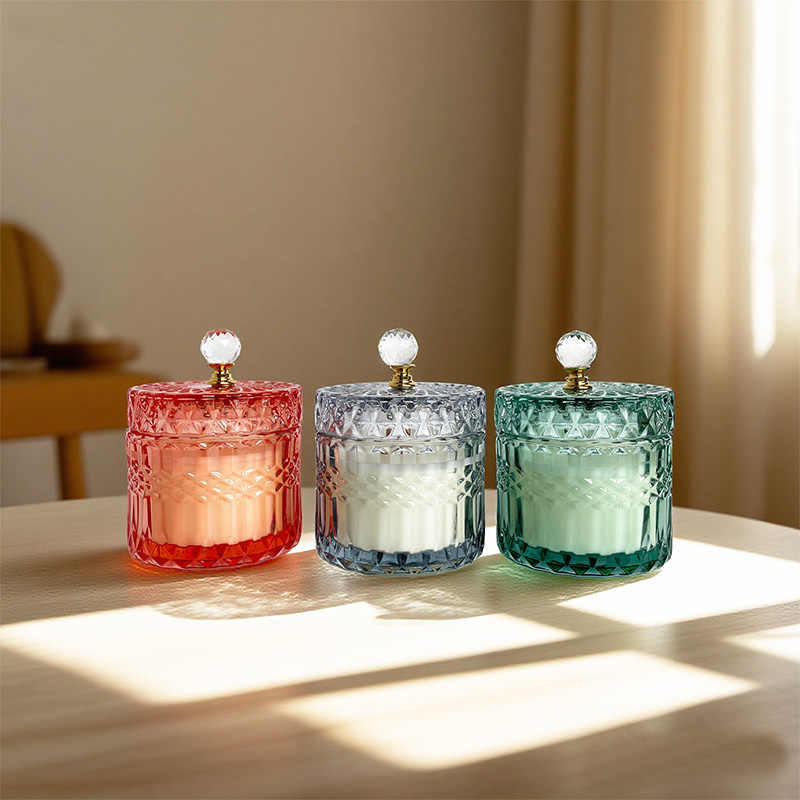 Bougie parfumée luxueuse en cristal avec couvercle Parfum longue durée Cire de soja naturelle pure
-
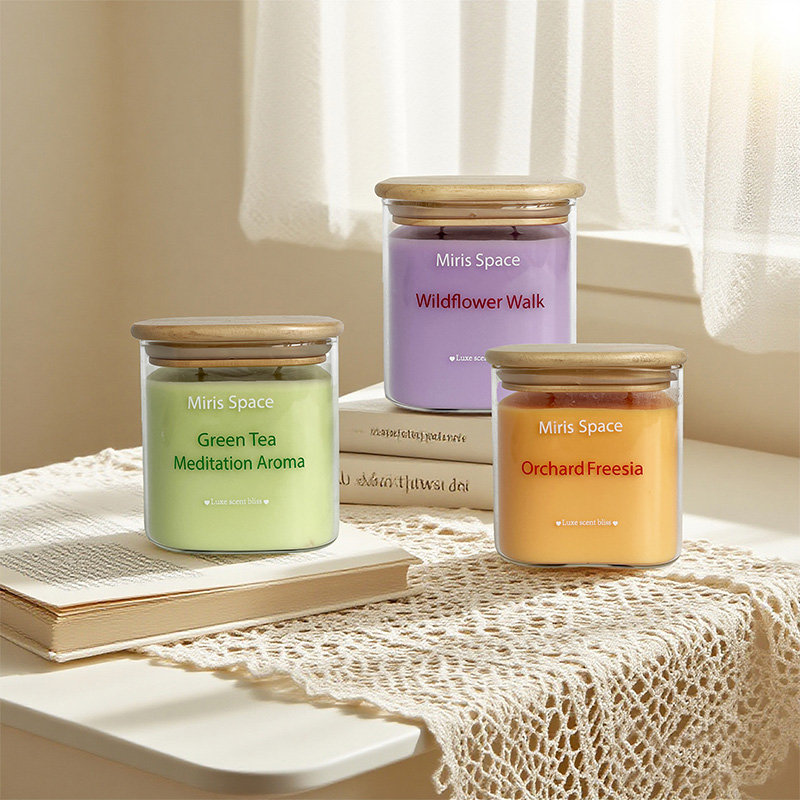 Cire parfumée chaude et naturelle avec couvercle en bois Cire de soja naturelle personnalisable
-
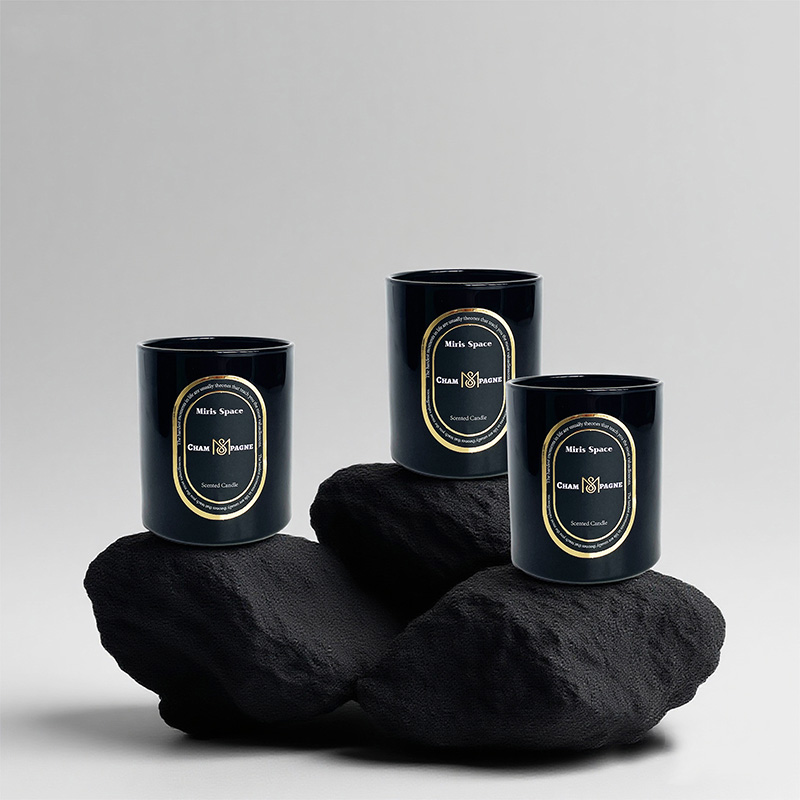 Bougie parfumée en feuille d'or noire de qualité supérieure, cire de soja naturelle pure, logo personnalisable
-
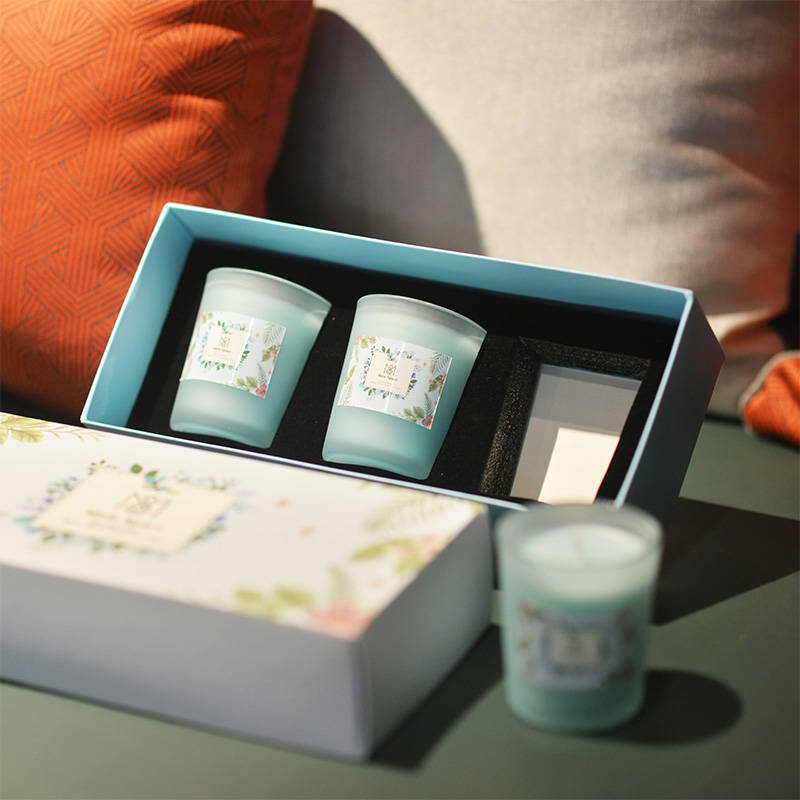 Coffret cadeau de bougies parfumées aux fleurs chaudes naturelles Cire de soja naturelle pure
-
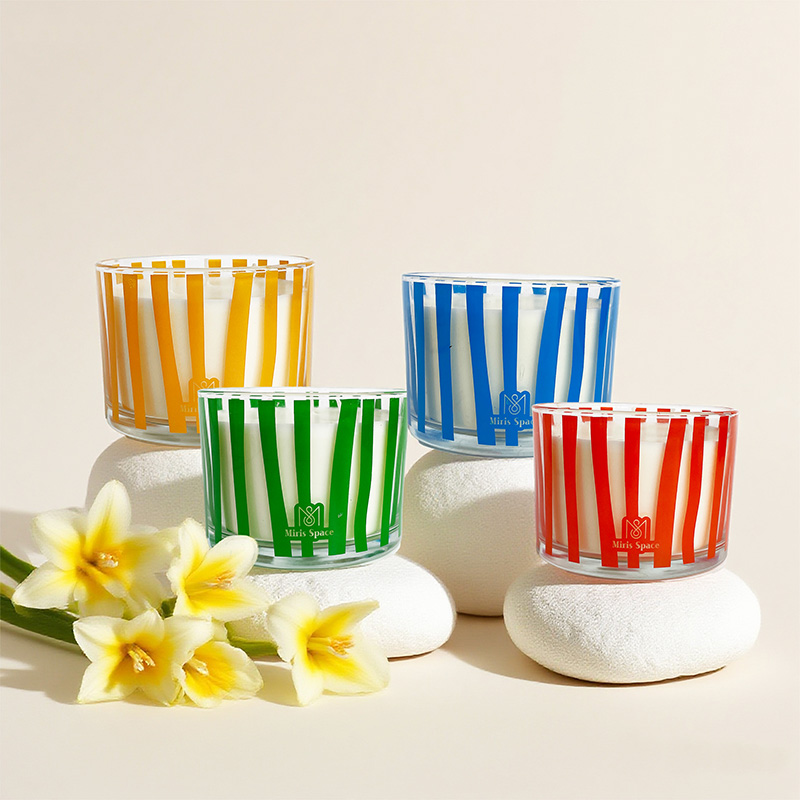 Bougie parfumée à rayures colorées, usage domestique, parfum d'intérieur longue durée, cire de soja naturelle
-
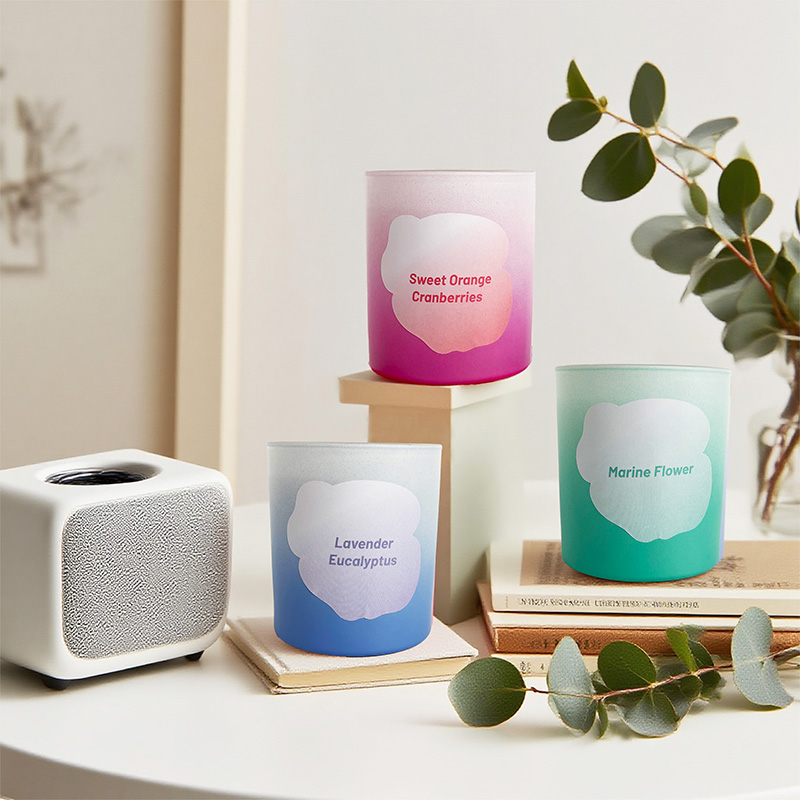 Bougie parfumée de niche florale à dégradé coloré Parfum longue durée Cire de soja naturelle
-
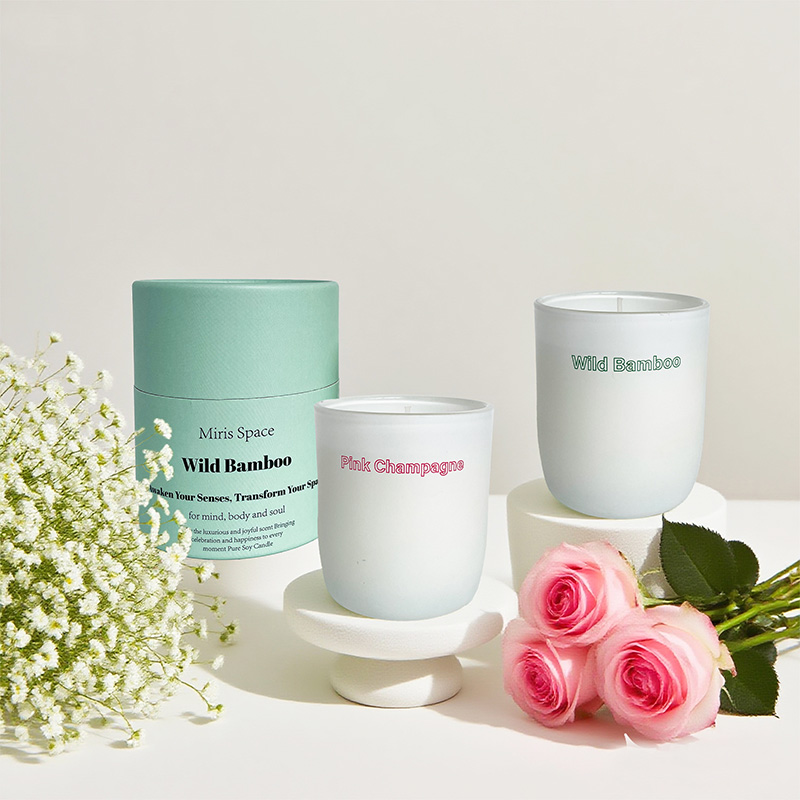 Coffret cadeau cylindrique Parfum floral à usage domestique, bougie parfumée d'intérieur longue durée Cire de soja personnalisable
Nos bougies parfumées dans d'élégants bocaux en verre allient fonctionnalité et art. Les bocaux réutilisables ajoutent un charme rustique, parfaits comme centres de table ou accents de chevet. Choisissez entre des styles mats minimalistes et vintage - il y en a un qui correspond à vos goûts.
How Wax, Wick, and Fragrance Load Affect Candle Performance
A reliable home fragrance candle depends on the interaction between wax composition, wick construction, fragrance oil, container diameter, and production temperature. Buyers should evaluate these elements as a complete system rather than selecting each component independently. A fragrance oil that performs well in one wax may produce weak diffusion, surface sweating, or unstable combustion in another.
Fragrance load is usually expressed as a percentage of the wax weight. A higher percentage does not automatically create a stronger scent. Excess oil can interfere with wax crystallization, soften the candle, clog the wick, or generate visible smoke. The most effective fragrance load is the highest level that remains stable during storage and burns cleanly under the intended conditions.
Important Variables to Confirm During Product Development
- Wax melting point and its suitability for the destination climate.
- Recommended fragrance load range for the selected wax formula.
- Wick material, thickness, treatment, and compatibility with the fragrance oil.
- Container diameter, wall thickness, shape, and heat resistance.
- Pouring temperature, cooling speed, and curing time before testing.
Wick selection should be based on repeated burn testing rather than container size alone. Dense fragrance formulas, dark dyes, and certain natural waxes may require different wick specifications. At Zhiwen Handicraft, we use production experience and equipment-based process control to help customers balance scent performance with stable combustion.
What Buyers Should Look for in a Candle Burn Test
A burn test should reproduce realistic consumer use. Testing a candle only once does not reveal how it will behave near the bottom of the container, where heat accumulation is often greater. A complete evaluation records performance across several burn cycles and allows the candle to cool fully between sessions.
During each cycle, testers should observe flame height, melt-pool diameter, melt-pool depth, soot formation, wick mushrooming, container temperature, scent diffusion, and the amount of wax remaining on the sides. A wide melt pool is not sufficient evidence of good performance if the flame is unstable or the container becomes excessively hot.
| Test Item | What It May Indicate | Possible Adjustment |
|---|---|---|
| Small melt pool | Wick may be undersized | Test a larger or different wick series |
| High or flickering flame | Wick may be oversized | Reduce wick size and retest |
| Oil on the surface | Fragrance instability | Adjust oil level or processing temperature |
| Weak scent while burning | Poor formula compatibility | Review wax, oil, wick, and curing time |
Buyers should request test records for the actual container, fragrance, wax, dye, and wick combination being ordered. Results from a visually similar home fragrance candle cannot replace testing of the final specification.
Practical Specifications for Private-Label and Export Orders
Clear specifications reduce sampling delays, inconsistent batches, and packaging errors. A purchase brief should define more than fragrance name, container color, and order quantity. Buyers should document measurable requirements that can be checked during incoming inspection and mass production.
Details Worth Including in a Product Brief
- Net wax weight, total product weight, and acceptable tolerance.
- Wax type, fragrance code, color reference, wick specification, and curing period.
- Container dimensions, lid fit, label position, and visible appearance limits.
- Packaging structure, carton quantity, barcode position, and shipping-mark format.
- Required safety labels, warning text, testing documents, and destination-market requirements.
Label materials should be tested on the actual candle container. Adhesion can change because of glass coatings, surface treatments, temperature variations, humidity, or fragrance migration. Buyers should also confirm whether labels must resist abrasion, moisture, oil, or refrigerated storage during transportation.
For international shipments, packaging should be evaluated for vibration, compression, repeated handling, and seasonal temperature changes. Internal supports must protect the container without damaging decorative surfaces. Master cartons should be appropriately sized so that excessive empty space does not allow products to move during transit.
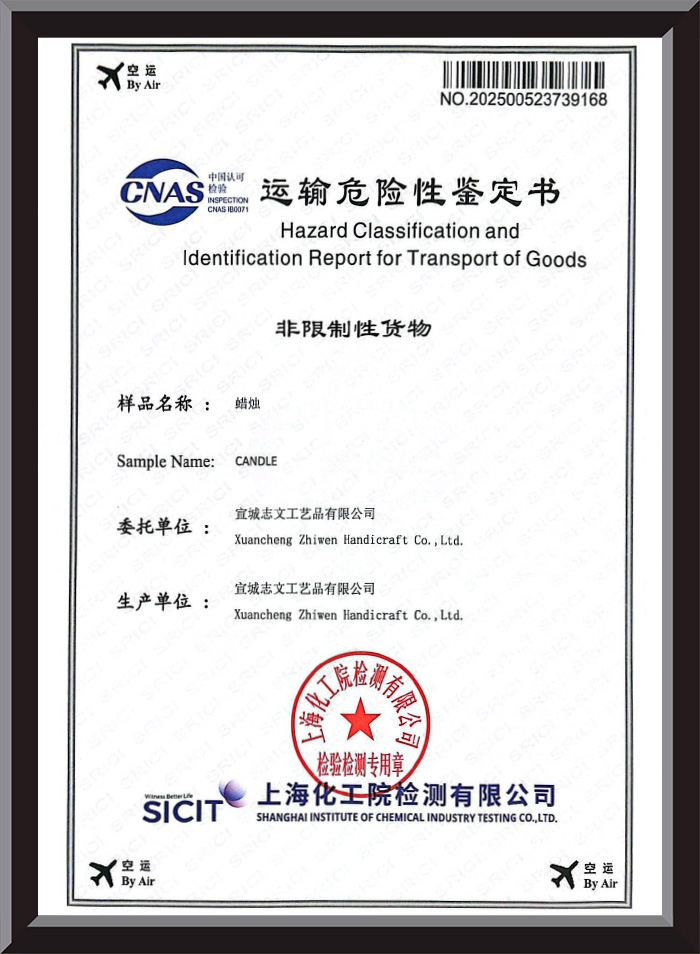
Zhiwen Handicraft supports customers in more than 30 countries and regions, and we understand that labeling, packaging, and documentation expectations vary by market. Establishing an approved sample, signed specification sheet, and inspection standard before production provides buyers with a practical basis for controlling quality across repeat orders.
Laissez-moi juste une ligne - [email protected]
Droit d'auteur © Xuancheng Zhiwen Handicraft Co., Ltd.
