 English
 Français
 Deutsch
-
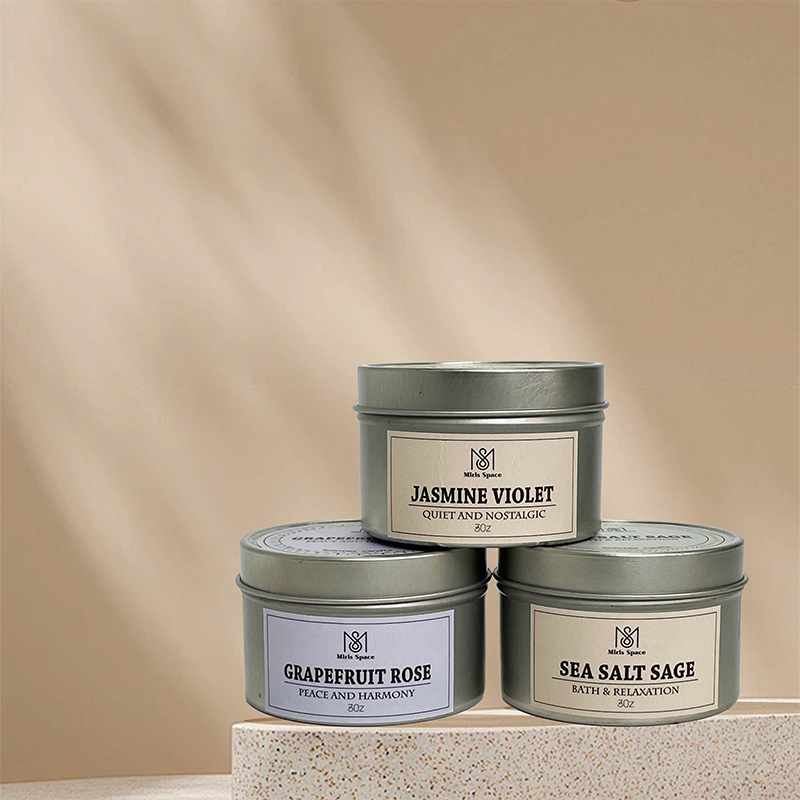 BOUGIE PARFUMÉE EN BOITE MÉTALLIQUE AVEC ÉTIQUETTE PALETTE DE COULEURS MORANDI LOGO PERSONNALISABLE
-
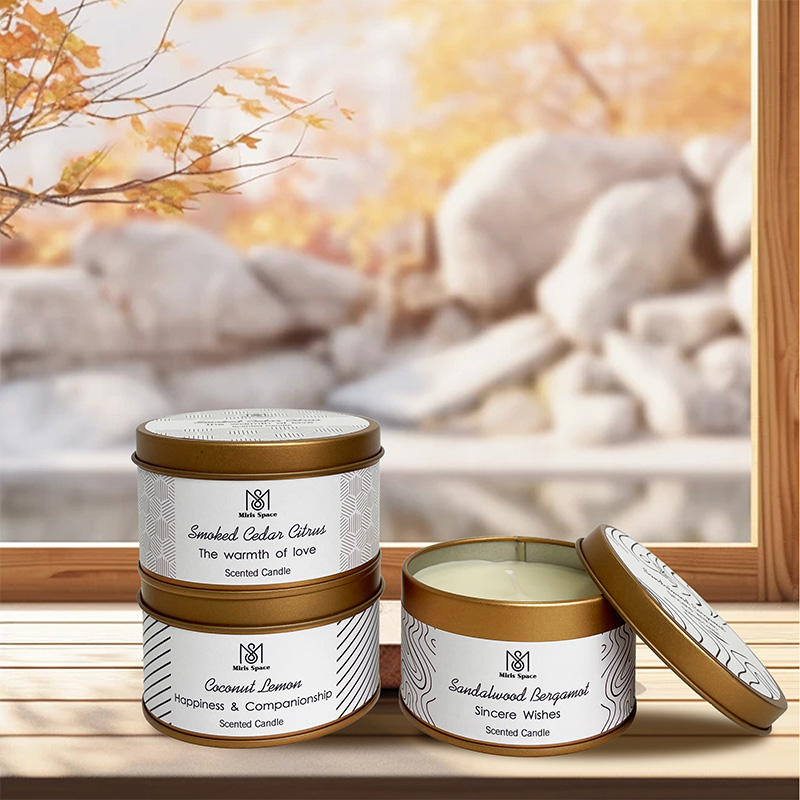 Bougie parfumée à l'étain doré à ligne géométrique Cire de soja naturelle
-
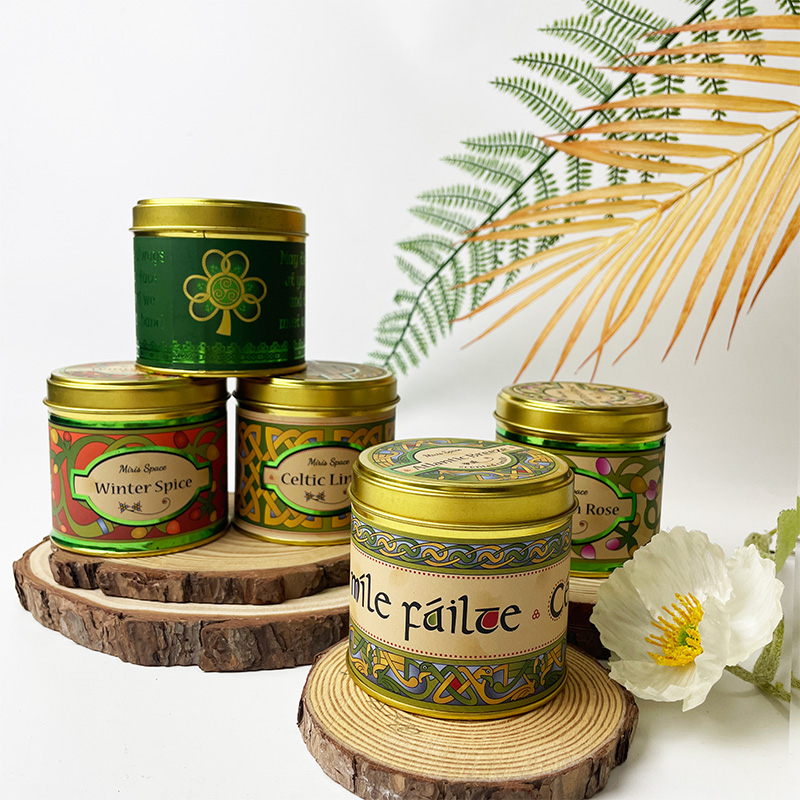 Bougie parfumée en étain doré à motif de niche, mèche en coton et cire de soja
-
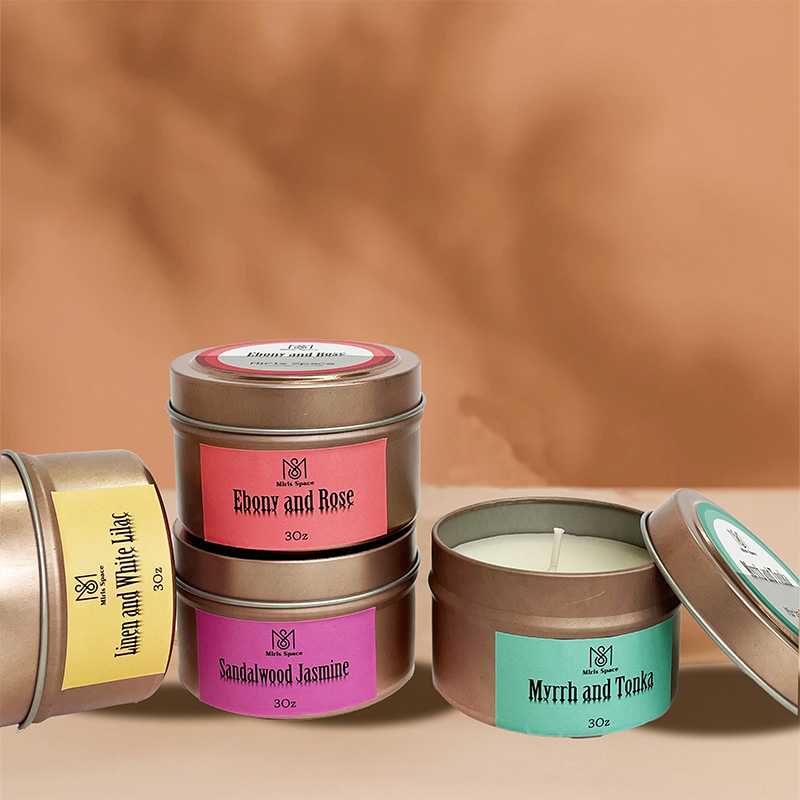 Bougie parfumée en étain argenté avec logo personnalisé et étiquette colorée
-
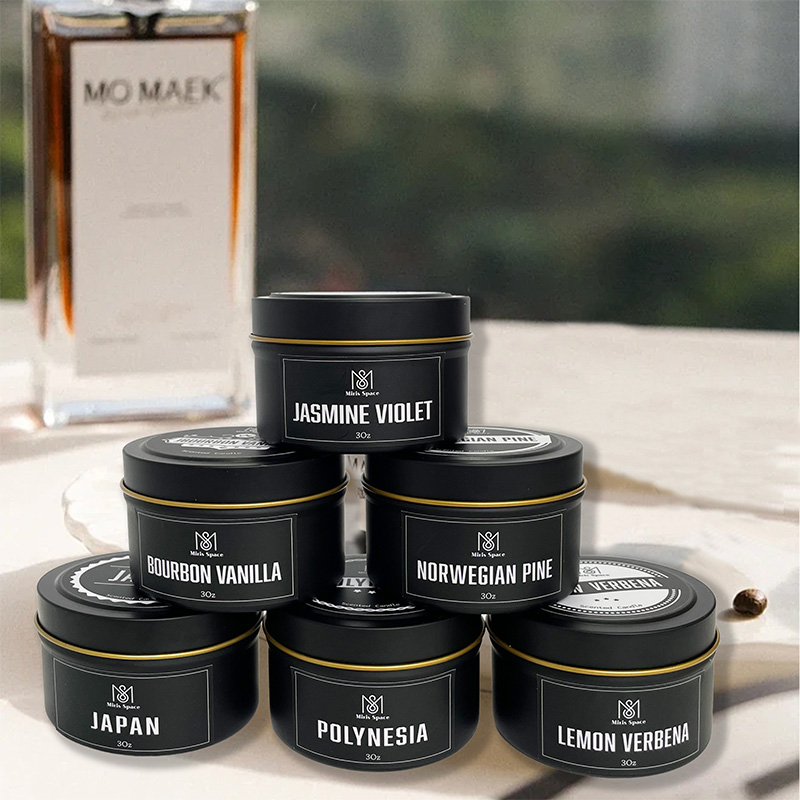 Bougie parfumée simple en étain noir de qualité supérieure, cire de soja naturelle pure, logo personnalisé
-
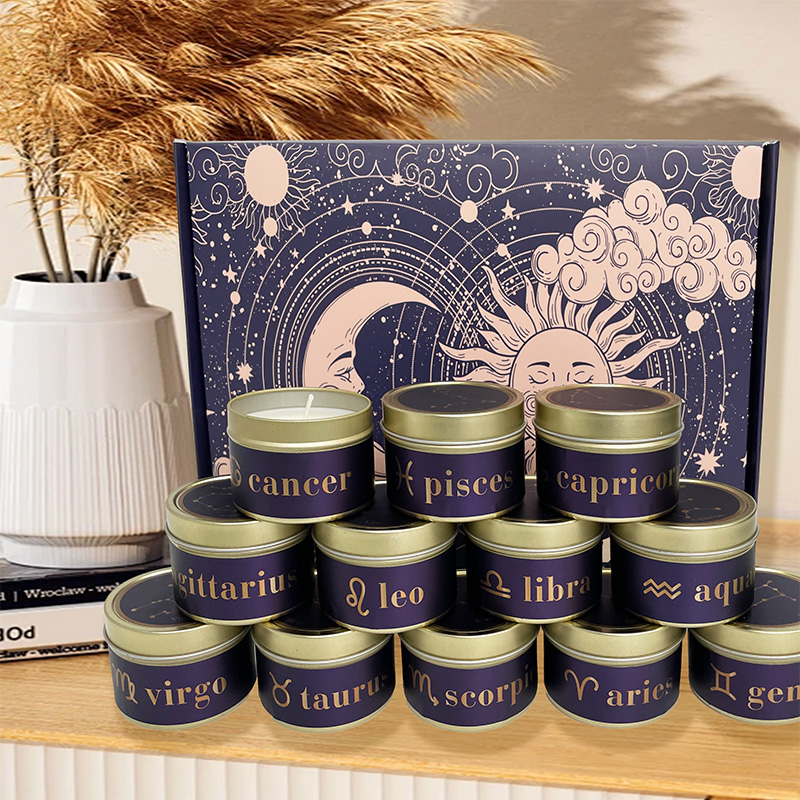 COFFRET CADEAU DE BOUGIES PARFUMÉES EN BOITE MÉTALLIQUE AVEC SIGNE DU ZODIAQUE POUR BIEN-ÊTRE À LA CIRE DE SOJA NATURELLE
-
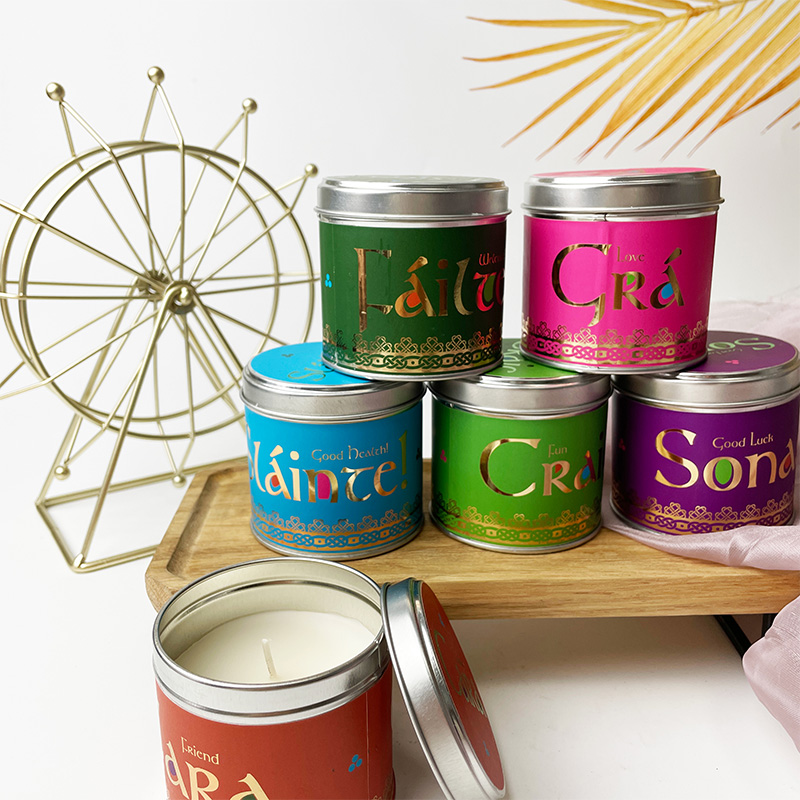 Bougie parfumée colorée en étain, cire de soja naturelle pure
-
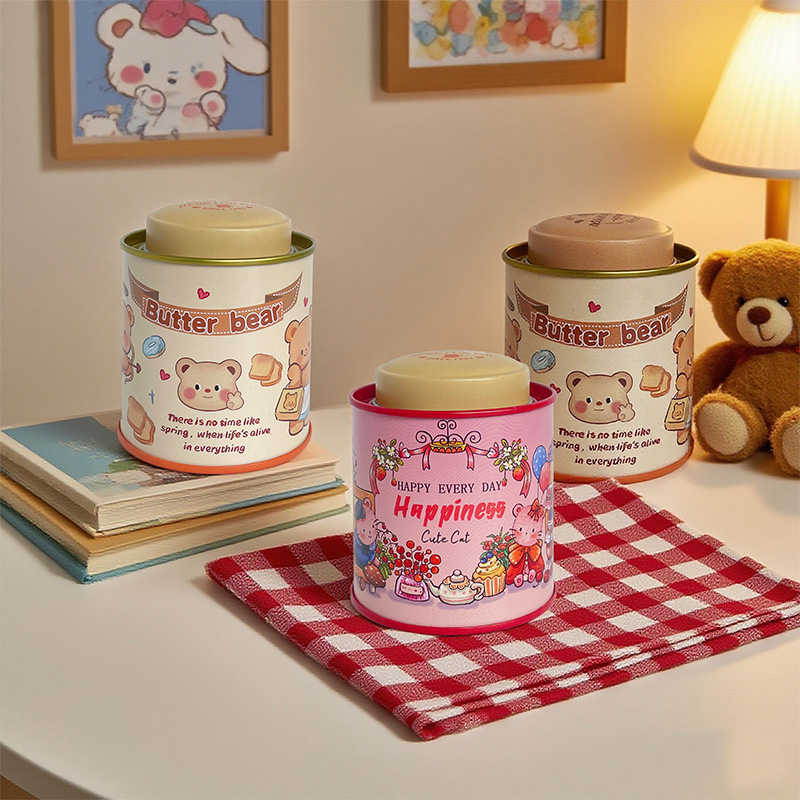 Bougie parfumée en étain amusante et mignonne avec mèche en coton et cire de soja
-
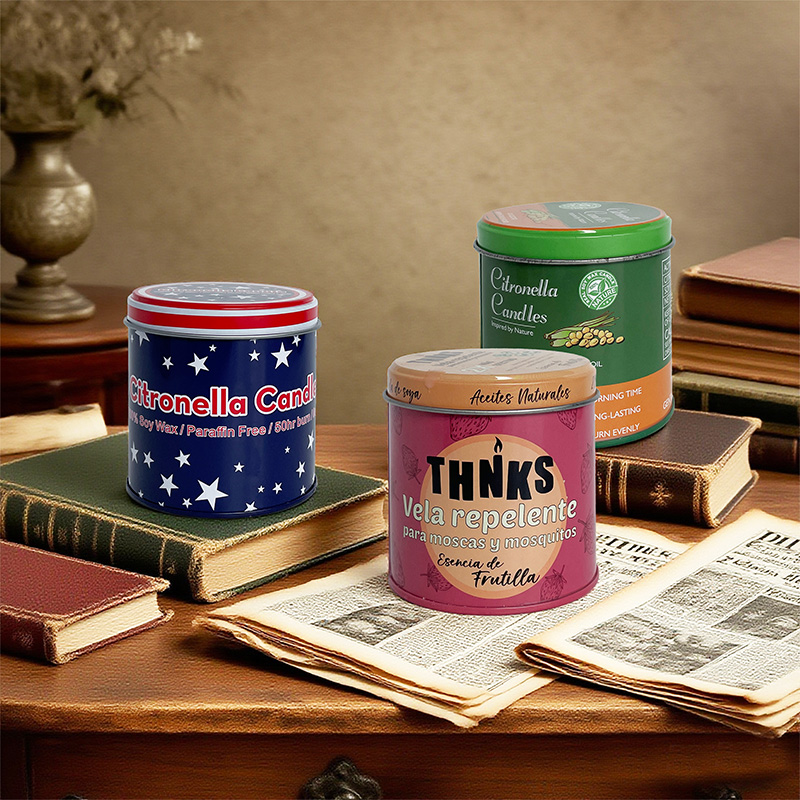 Bougie parfumée rétro américaine en étain, mèche en coton, logo personnalisé, cire de soja naturelle
-
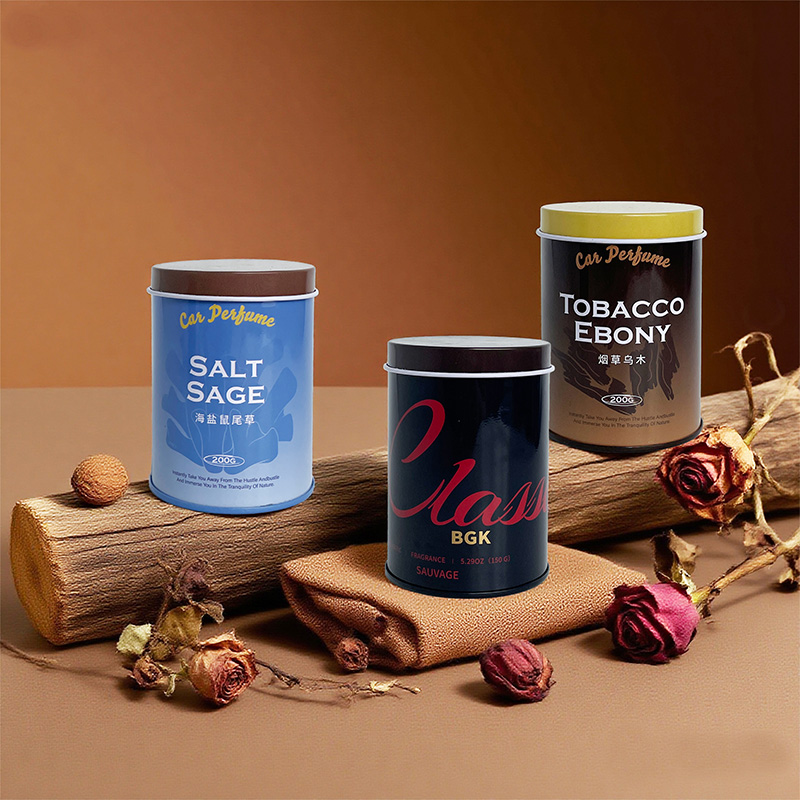 BOUGIE PARFUMÉE EN BOITE MÉTALLIQUE, PARFUM BOISÉ PREMIUM, À LA CIRE DE SOJA
-
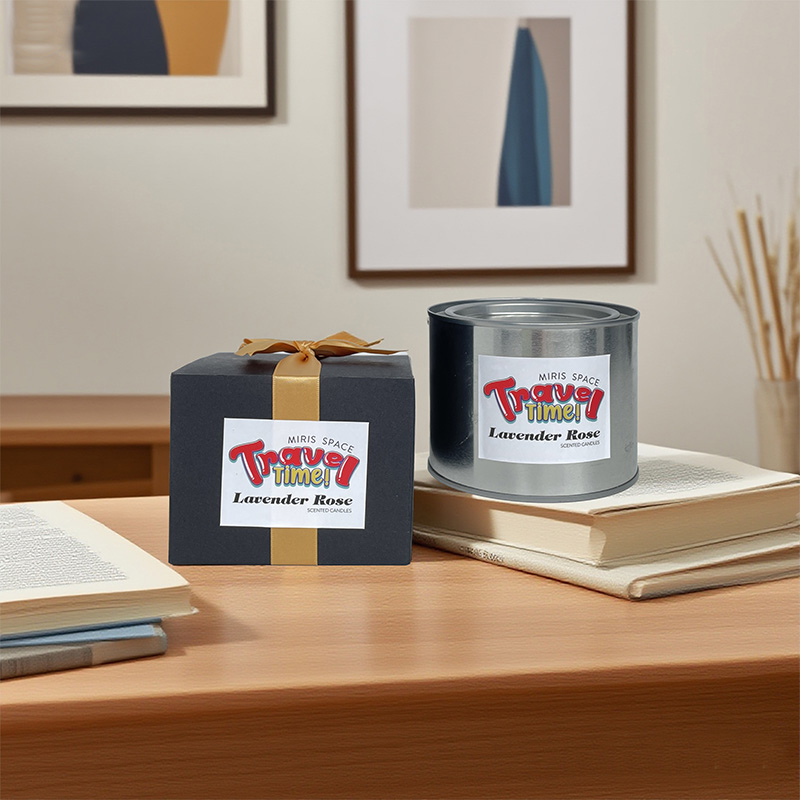 Coffret cadeau Bougie parfumée en étain Cadeau Exquise Cire de soja naturelle de qualité supérieure
-
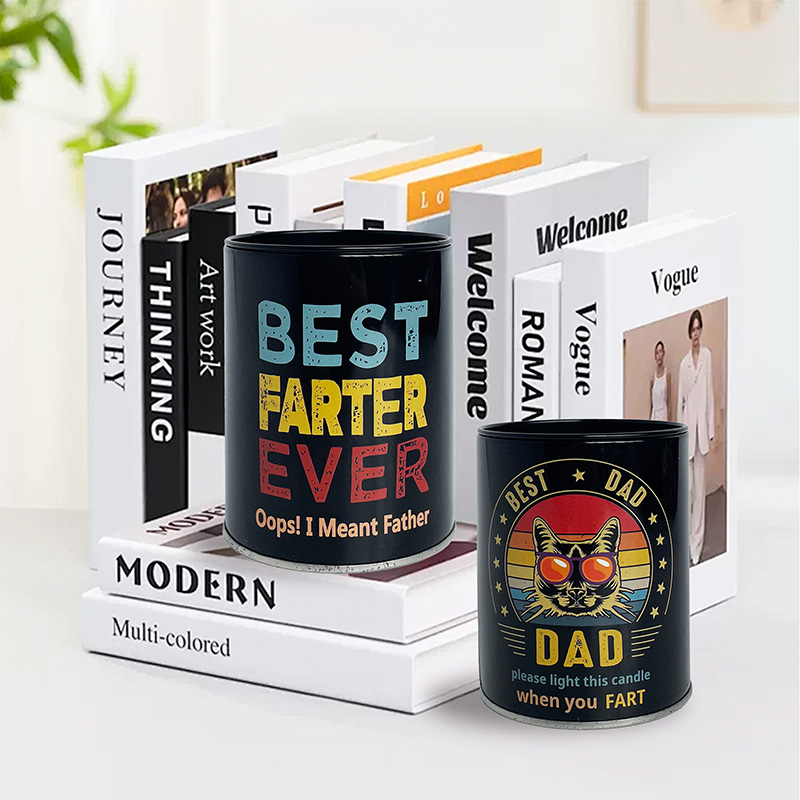 Bougie parfumée en étain à imprimé rétro noir Cire de soja
Nos bougies parfumées dans d'élégants bocaux en verre allient fonctionnalité et art. Les bocaux réutilisables ajoutent un charme rustique, parfaits comme centres de table ou accents de chevet. Choisissez entre des styles mats minimalistes et vintage - il y en a un qui correspond à vos goûts.
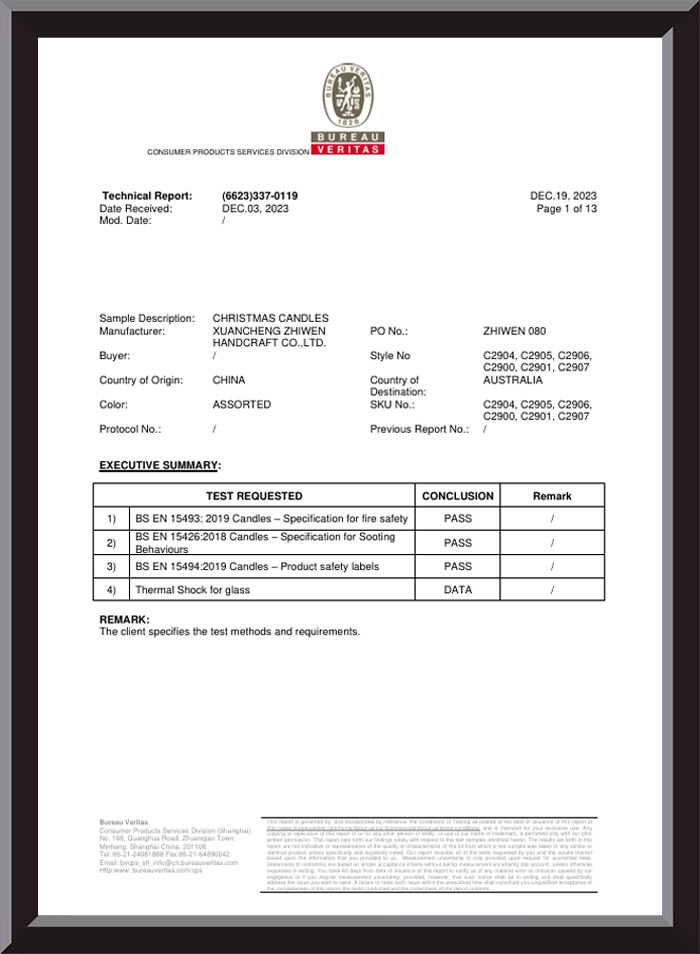
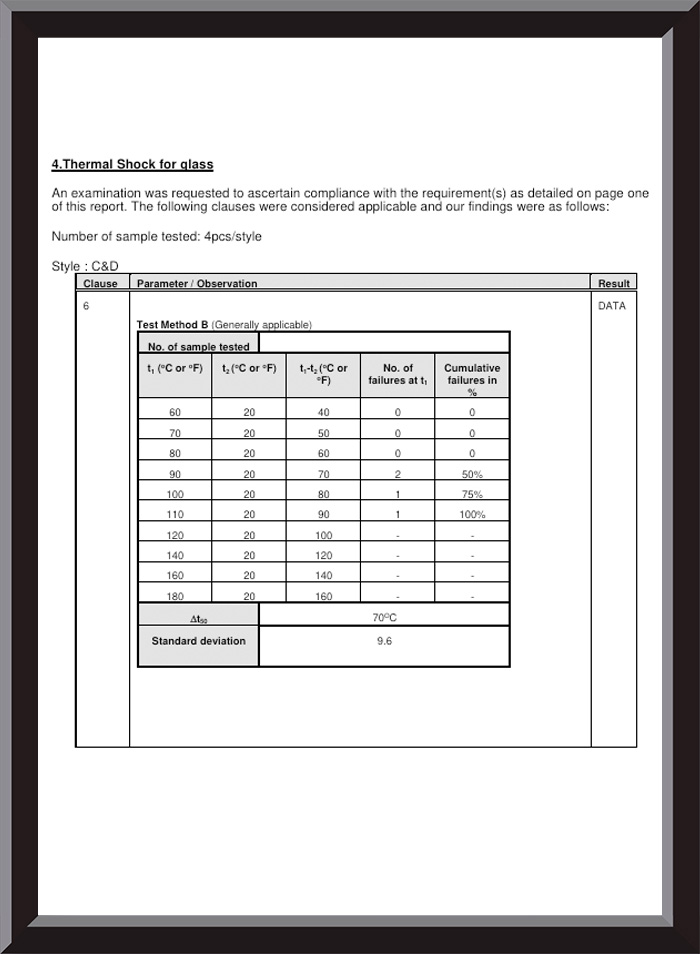
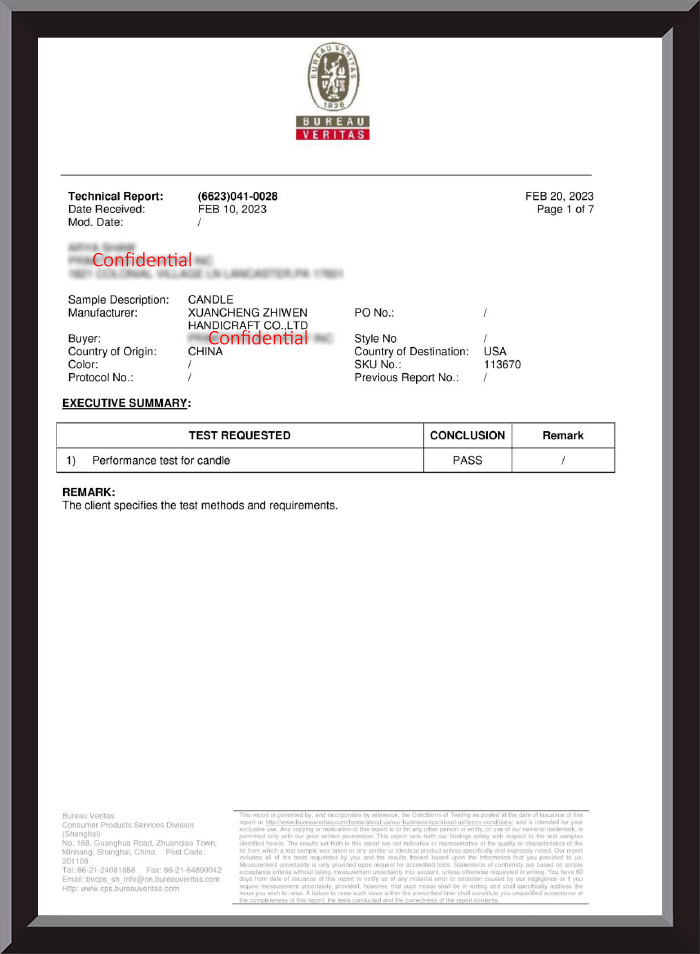
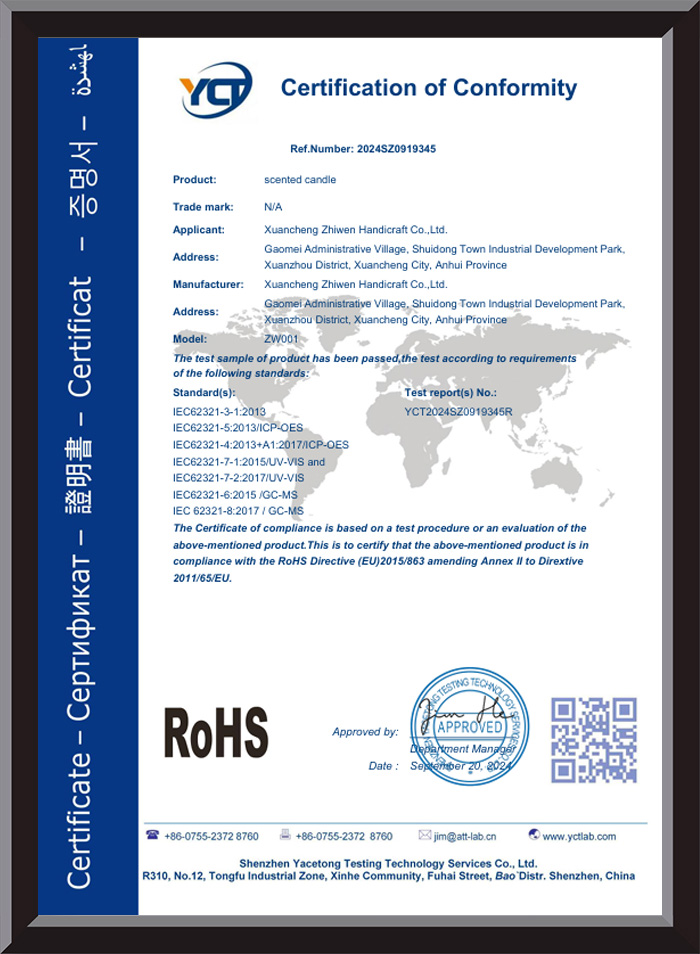
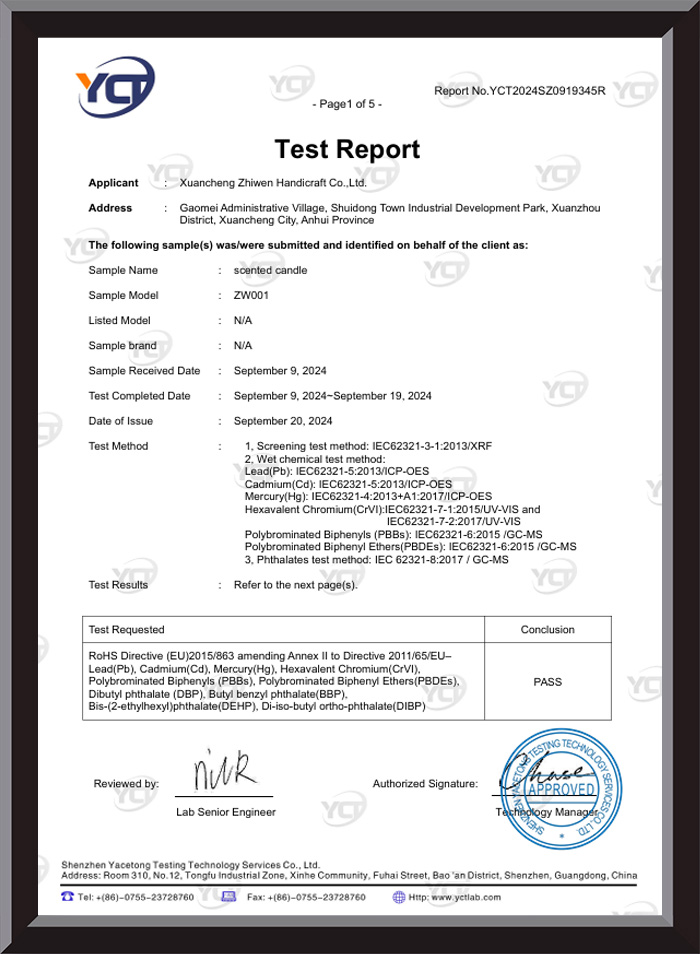
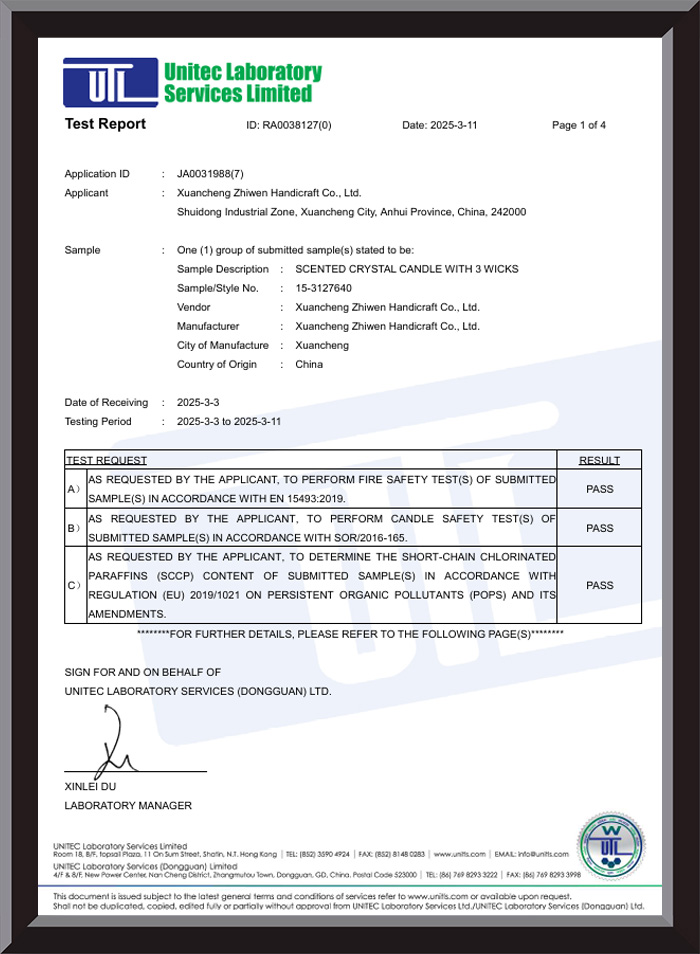
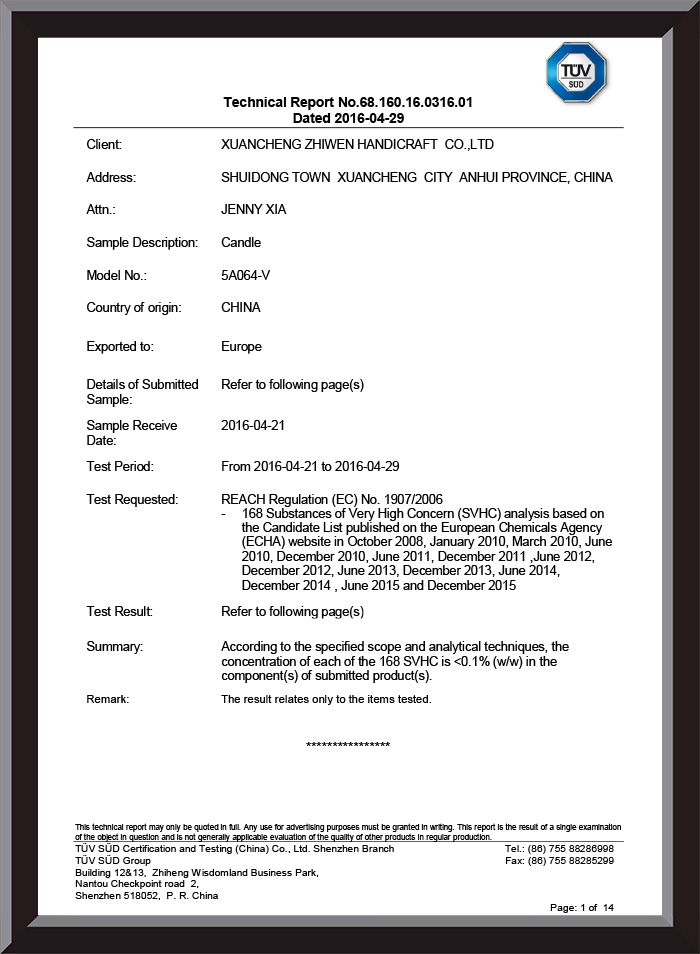
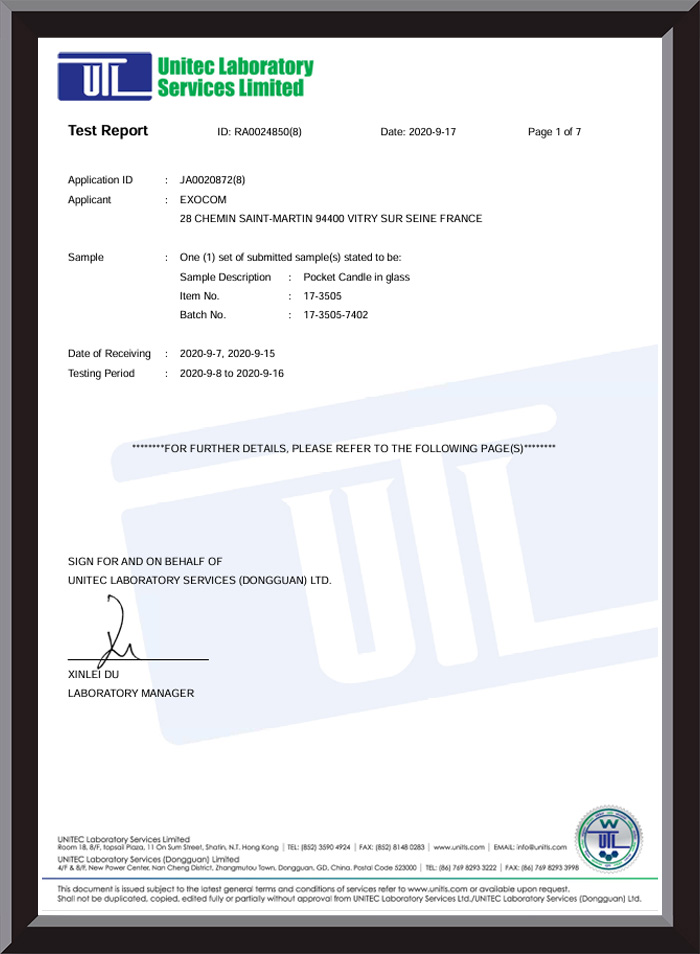
Selecting the Right Tin Structure for Heat Control and Shipping
The container is not merely decorative packaging. Its diameter, depth, wall thickness, coating, and closure method can influence burn performance, filling efficiency, and transportation reliability. For buyers developing tin candles for retail or private-label programs, container selection should therefore begin with the intended wax weight, wick configuration, fragrance load, and distribution environment.
Diameter and depth affect the melt pool
A wider tin generally requires a stronger wick or multiple wicks to create an even melt pool. A narrow, deep tin may retain more heat near the lower portion of the candle, especially during long burning sessions. Buyers should evaluate the complete container-and-formula system rather than selecting a wick according to wax weight alone. Container diameter is usually more important than total fill weight when establishing an initial wick-testing range.
| Tin Feature | Buyer Consideration | Recommended Check |
|---|---|---|
| Wide diameter | Risk of incomplete edge melting | Compare single- and multi-wick samples |
| Deep profile | Heat accumulation during later burns | Test the candle through its full life cycle |
| Fitted lid | Protection from dust and fragrance loss | Check closure consistency after transit |
We recommend testing filled tins inside the final cartons because dents, loose lids, label abrasion, and wax movement may only become visible after simulated transport. At Zhiwen, we use production experience to help buyers identify container details that can reduce avoidable packaging problems.
Managing Wick, Wax, and Fragrance as One System
A wick that performs well in an unscented wax may behave differently after fragrance oil, dye, or additives are introduced. Fragrance composition can change wax viscosity and combustion behavior, while dark dyes and heavy aromatic materials may increase carbon buildup. For this reason, wick approval should take place only after the commercial formula and container have been confirmed.
Useful observations during burn testing
- Record flame height, visible smoke, mushrooming, and container temperature at regular intervals.
- Measure the melt-pool diameter and depth after each planned burning period.
- Repeat testing in several samples to identify production variation rather than relying on one candle.
- Continue testing near the bottom of the tin, where heat behavior may differ from the first burn.
A successful first burn does not prove that a tin candle is safe and stable throughout its usable life. Buyers should request complete burn records that include later-stage performance, wax residue, self-extinguishing behavior, and the condition of the wick tab and adhesive.
Fragrance throw should also be evaluated separately from flame performance. Increasing the fragrance percentage does not always create a stronger scent and may reduce stability if the wax cannot retain the added oil. We normally encourage controlled formula comparisons so buyers can balance scent strength, surface appearance, burning quality, and cost instead of optimizing only one characteristic.
Preparing Artwork and Labels for Reliable Tin Production
Tin candles often use top labels, wraparound labels, bottom safety labels, direct printing, or a combination of these methods. Artwork should be developed according to the actual printable area rather than the nominal container dimensions. Curved edges, lid seams, recessed surfaces, and manufacturing tolerances can reduce the usable space and affect visual alignment.
Information to confirm before mass labeling
- Final label dimensions, corner radius, bleed area, and application position.
- Surface finish, adhesive type, temperature resistance, and resistance to fragrance oil.
- Required warning text, burning instructions, product identity, and market-specific information.
- Barcode size, contrast, quiet zones, and scanning performance on the finished package.
- Color references and acceptance limits for repeat production batches.
Labels should be tested after the candle has cured because wax, fragrance, and storage temperature can influence adhesion. Samples should also be exposed to realistic warehouse and shipping conditions. A label that looks acceptable immediately after application may lift, wrinkle, or shift after temperature cycling.
For private-label projects, an approved physical sample is more reliable than artwork confirmation alone. Zhiwen combines labeling and processing experience with specialized candle-production capabilities to support consistent placement and repeatable presentation. We focus on practical details that help buyers reduce rework, protect shelf appearance, and maintain uniformity across successive orders.
Laissez-moi juste une ligne - [email protected]
Droit d'auteur © Xuancheng Zhiwen Handicraft Co., Ltd.
